When we think about breast cancer detection, the first thing that usually comes to mind is a mammogram — large machines, hospital visits, appointments, discomfort, and in many places, limited accessibility.
But what if early breast screening could be done using a small handheld device that fits in your palm?
That’s exactly what iBreastExam (iBE) was designed for.
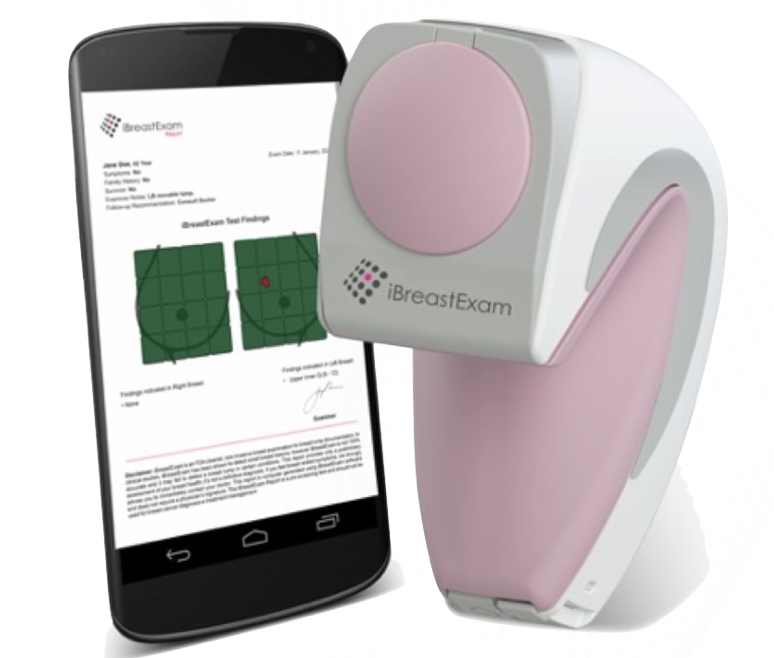
Developed by UE LifeSciences, this FDA-cleared, ultra-portable handheld, radiation-free screening device that helps identify abnormal breast lumps within minutes. The goal behind it is simple: make early detection easier, faster, and more accessible — especially in places where traditional screening methods are difficult to access.
Why Early Detection Matters
One of the biggest challenges with breast cancer is that many cases are detected late. In several developing and rural regions, access to mammography machines, trained radiologists, or screening centers is still limited.
And that delay matters.
The earlier a lump or abnormal tissue is detected, the better the chances of treatment and recovery become. That’s where devices like iBreastExam try to bridge the gap — not by replacing mammograms, but by acting as an easy first-level screening tool.
So, What Exactly Is iBreastExam?
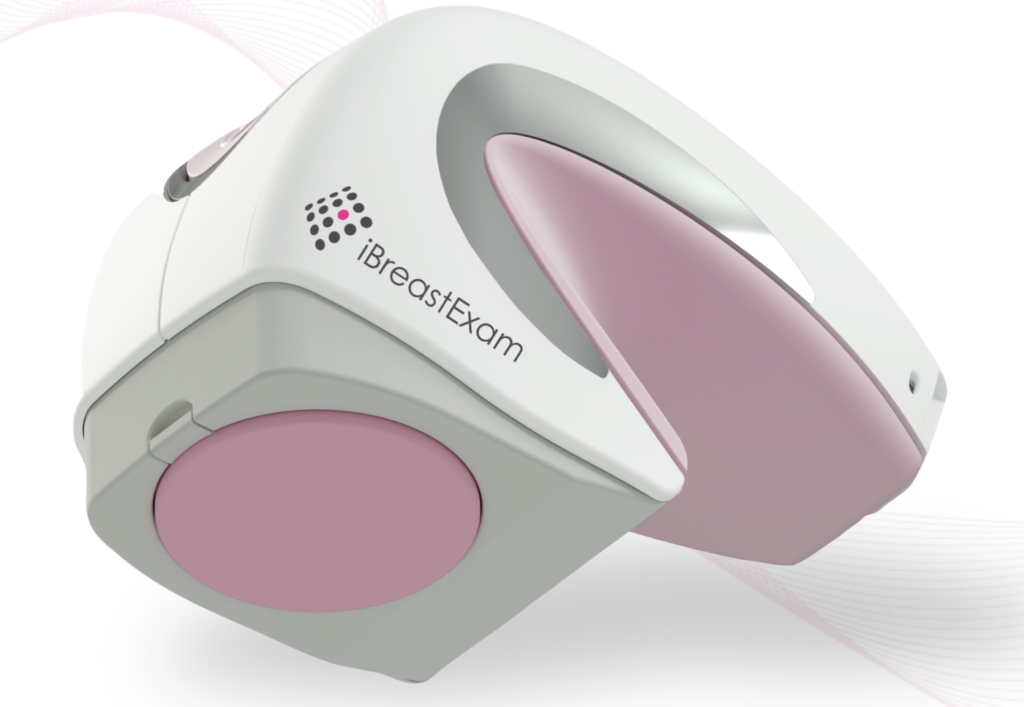
At first glance, iBreastExam looks more like a compact electronic gadget than a medical device.
It’s a small handheld scanner that uses tactile sensing technology to detect differences in tissue stiffness inside the breast. Since abnormal lumps are usually harder than surrounding tissue, the device can identify unusual areas through gentle contact with the skin.
The interesting part is that:
- It does not use radiation
- It does not require painful compression
- And it can be operated with minimal training
The entire screening process usually takes only a few minutes.
How Does It Work?
The technology behind iBreastExam is actually quite clever from an electronics and sensing perspective.
The device uses Dynamic Co-Planar Capacitive Sensors — sensors capable of detecting changes in tissue elasticity in real time. In simple words, the device electronically “feels” the breast tissue and compares softer tissue against areas that feel unusually stiff.
You can think of it like a digital version of a physical breast examination, but standardized using sensors and embedded electronics.
Here’s the general process:
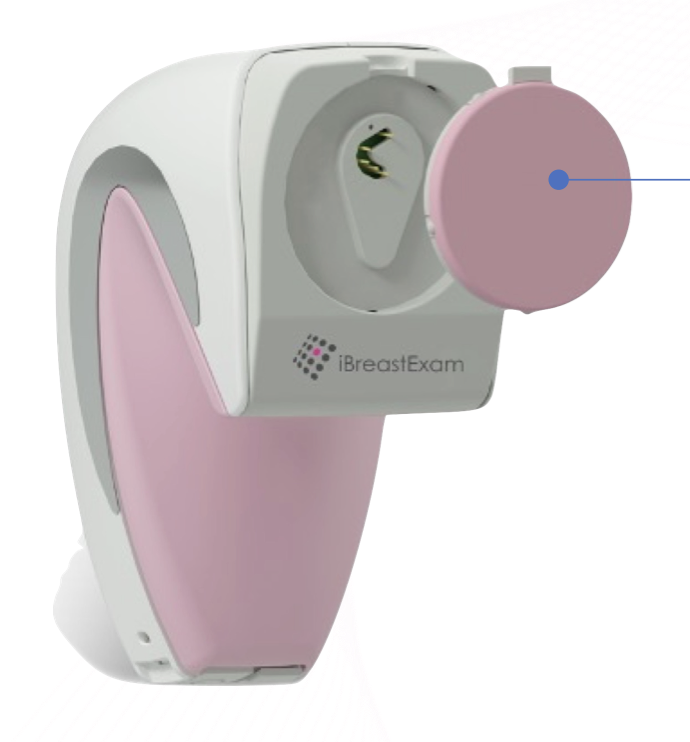
- The healthcare worker gently places the handheld probe over different regions
- Sensors collect tissue response data
- The device analyzes stiffness variations
- Results are displayed instantly on a connected interface
Because the device is battery-powered and portable, it can even be used in mobile clinics or rural screening camps.
What Makes It Different From Traditional Screening?
Traditional mammograms are still considered one of the most important diagnostic tools, but they come with certain limitations:
- Expensive infrastructure
- Need for trained radiologists
- Radiation exposure
- Accessibility challenges in smaller regions
iBreastExam approaches the problem differently.
Instead of being a full diagnostic replacement, it acts as a quick pre-screening tool that helps identify women who may need further medical evaluation.
Some of the biggest advantages include:
- Portable and lightweight
- Radiation-free
- Painless screening
- Quick results
- Minimal operator training required
- Suitable for low-resource areas
That simplicity is what makes the device so interesting from an engineering perspective.
Final Thought
Sometimes innovation isn’t about building bigger machines.
Sometimes it’s about simplifying something important enough that more people can actually use it.
The idea behind iBreastExam is surprisingly simple:
detect problems earlier, make screening easier, and remove as many barriers as possible.